
How Often Should Commercial Offices Be Professionally Cleaned?
Learn how often your office should be professionally cleaned based on its size, traffic, industry, and daily needs. Explore commercial office cleaning services throughout DFW.
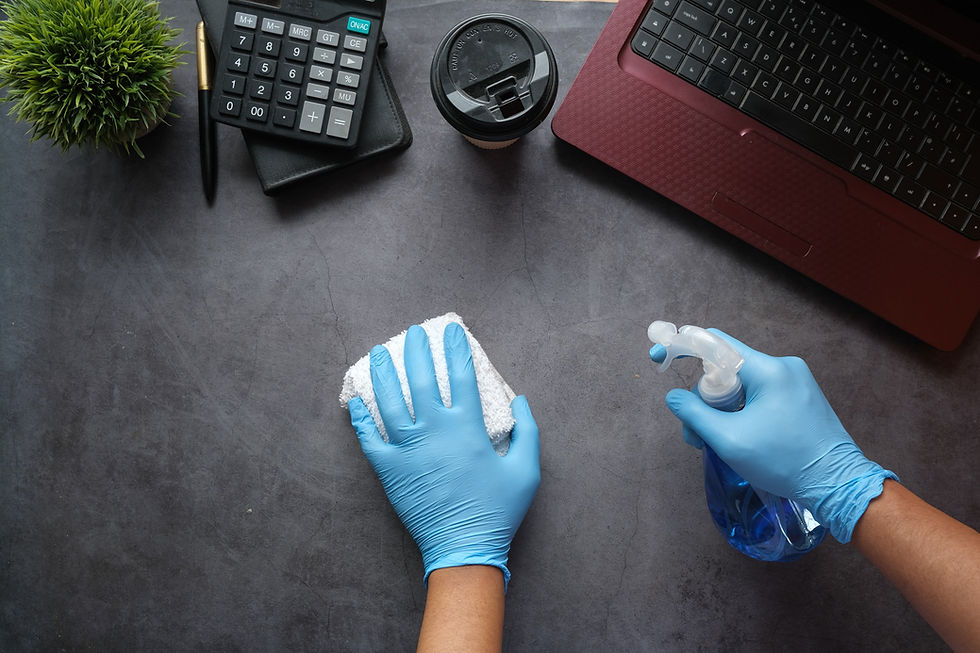
A clean workplace creates a better environment for employees, customers, and visitors. However, many business owners and facility managers are unsure how often they should schedule professional office cleaning.
Some smaller offices may only require service a few times per week, while large or heavily used buildings may need daily cleaning. The right schedule depends on the number of employees, the amount of customer traffic, the type of business, and the cleaning requirements of the facility.
Businesses searching for dependable office cleaning in Dallas, TX, should begin by evaluating how their building is used each day.
How Often Should an Office Be Professionally Cleaned?
For many commercial offices, professional cleaning should be scheduled at least two or three times per week. This is generally enough to manage trash, dust, restroom sanitation, break-room cleaning, and basic floor care in a moderately used workplace.
Daily commercial cleaning may be more appropriate when an office:
Has a large number of employees
Regularly welcomes customers or visitors
Contains multiple shared workspaces
Has heavily used restrooms or break rooms
Operates for extended hours
Requires higher sanitation standards
Experiences significant dirt, dust, or outdoor foot traffic
Professional commercial office cleaning in DFW can be customized around a facility’s operating hours. Cleaning may be completed before the workday, after employees leave, or during designated low-traffic periods.
Factors That Affect Your Office Cleaning Schedule
There is no single cleaning schedule that works for every commercial property. Facility managers should consider several factors when determining how frequently professional service is needed.
Number of Employees
An office with five employees will generally require less frequent cleaning than a building occupied by several hundred people.
More employees typically mean more trash, fingerprints, restroom use, food waste, and tracked-in dirt. Shared desks and equipment may also need more frequent attention when they are used by multiple employees throughout the day.
Customer and Visitor Traffic
Businesses that frequently welcome customers should pay close attention to reception areas, waiting rooms, entrances, restrooms, and other public-facing spaces.
A dirty lobby or neglected restroom can affect a visitor’s perception of the entire company. Businesses with consistent customer traffic may benefit from professional cleaning every day or several times throughout the week.
Type of Business
Different industries have different cleaning expectations.
A general administrative office may need routine dusting, vacuuming, trash removal, and restroom cleaning. Medical offices, schools, government buildings, restaurants, and industrial facilities may have more extensive sanitation and maintenance requirements.
For example, medical offices may require frequent cleaning of waiting rooms, examination areas, shared surfaces, and restrooms. Schools may need additional attention given to classrooms, cafeterias, hallways, and high-touch surfaces.
Working with an experienced provider of commercial janitorial services in Dallas, TX, can help businesses create a cleaning schedule that is appropriate for their industry.
Building Size and Layout
Large facilities often require more frequent cleaning because they contain more rooms, hallways, workstations, restrooms, and shared spaces.
The layout also matters. An open office where many employees share the same space may require more frequent surface cleaning than a building made up primarily of private offices.
Seasonal Conditions
Weather can influence how quickly a workplace becomes dirty. Rain and mud may increase the need for entryway and floor cleaning, while dry conditions can lead to additional dust.
Seasonal illnesses may also cause businesses to increase the frequency of high-touch surface cleaning and professional disinfection.
Areas That May Need Daily Cleaning
Even when the entire office does not require daily service, certain areas should receive frequent attention.
Restrooms
Commercial restrooms can quickly become unsanitary when they are not cleaned consistently.
Toilets, sinks, counters, mirrors, floors, dispensers, and door handles may need daily cleaning in busy workplaces. Supplies such as soap, paper towels, and toilet paper should also be inspected and replenished regularly.
Break Rooms and Kitchens
Food crumbs, spills, overflowing trash cans, and dirty counters can create unpleasant odors and attract pests.
Break rooms may require daily attention, especially when they are used by a large workforce.
Entrances and Reception Areas
The entrance is one of the first things customers notice when visiting a business.
Glass doors, entry mats, floors, reception desks, and waiting areas should remain clean and presentable throughout the workweek.
High-Touch Surfaces
Frequently touched surfaces may include:
Door handles
Light switches
Elevator buttons
Shared telephones
Conference-room tables
Appliance handles
Water fountains
Shared office equipment
These areas may benefit from daily cleaning and periodic disinfecting.
Trash and Recycling Areas
Office trash should be removed often enough to prevent overflowing containers, odors, stains, and pest concerns.
Break-room and restroom waste may need to be removed more frequently than paper waste from individual workstations.
Daily, Weekly, and Periodic Office Cleaning Tasks
A professional cleaning plan can divide services according to how frequently each task needs to be completed.
Daily or Routine Cleaning Tasks
Routine cleaning may include:
Emptying trash containers
Cleaning and sanitizing restrooms
Wiping high-touch surfaces
Cleaning break-room counters
Vacuuming high-traffic areas
Sweeping and mopping hard floors
Cleaning entrance doors
Restocking restroom supplies
Weekly Cleaning Tasks
Weekly cleaning may include:
Detailed dusting
Cleaning interior glass
Vacuuming less frequently used rooms
Cleaning office furniture
Wiping baseboards and ledges
Addressing buildup in corners or beneath furniture
Periodic Cleaning Tasks
Some services may only need to be completed monthly, quarterly, or as conditions require.
These may include:
Carpet cleaning
Floor stripping and refinishing
Tile and grout cleaning
Upholstery cleaning
Deep cleaning
Window cleaning
Commercial disinfection
Post-construction cleaning
A qualified provider of commercial cleaning in Dallas, TX, can help establish a schedule that includes both routine janitorial work and periodic deep-cleaning services.